Key takeaway up front: there is no single "free daycare" scheme in Pleasanton that a family simply signs up for. What exists is a patchwork of subsidised, income-tested and employer-funded routes, administered by different bodies under different rules — and the only reliable way to know what you qualify for is to check with the county and the state yourself. Separately, there is one cost nobody warns you about, and it is squarely our subject: the clothing and bedding a child wears through a daycare day, washed at daycare frequency, is a fabric decision that quietly decides whether the budget holds.
This is a textile reference blog, so we have written the half we are actually qualified on — fibre, weight and wash behaviour for a daycare kit — in full detail. The childcare-funding half is a signpost, not an authority. Rules, funding levels and waiting lists change, and we are not going to quote you a figure that may be wrong by the time you read it.
What "free childcare" usually means in California
Parents searching that phrase are rarely looking for a business that charges nothing. They are looking for help paying, which in practice comes from one of a few directions:
- State-funded preschool programmes. California operates publicly funded preschool for eligible families, generally aimed at children in the years before kindergarten rather than at infants.
- Head Start and Early Head Start. Federally funded programmes delivered through local grantee agencies, with Early Head Start covering the youngest children and pregnant parents.
- County-administered subsidy and voucher programmes. These include the child care support attached to CalWORKs, and alternative payment (voucher) programmes that let an eligible family use a participating provider of their choosing rather than one specific centre.
- Transitional kindergarten. Part of the public school system rather than childcare, but it changes the arithmetic for families with a child approaching school age.
- Employer and campus benefits. Dependent care assistance, dependent care FSAs, backup-care benefits, and childcare attached to a hospital or corporate campus.
- Sliding-scale and shared arrangements. Some providers, nonprofits and faith organisations operate reduced-fee places, and nanny-share style splits cut the per-family cost. These are negotiated locally, one provider at a time.
Two honest caveats. First, most of these are income-tested and capacity-limited, so being eligible is not the same as having a place. Second, the programmes serving infants and toddlers are consistently the scarcest, which matters a great deal if you need care for a baby rather than a four-year-old.
Where to check your own eligibility
Do not take income thresholds, priority rules or waiting times from a blog — including this one. Go to the source:
- Your county's child care resource and referral (R&R) agency. Every California county has one. They hold the current list of subsidised programmes serving your area, they know which have open enrolment, and referral help is their actual job. Pleasanton sits in Alameda County, and the county's R&R is the single most useful phone call on this list.
- The California Department of Social Services (cdss.ca.gov), which oversees the state's child care and development programmes, and the state's licensing search, where you can confirm any provider's licence status before you visit.
- Your local school district, for state preschool and transitional kindergarten questions.
- Your employer's HR or benefits team, for dependent care benefits you may already be entitled to and have never claimed.
Ask each one the same three questions: what do I qualify for, what is the wait like right now, and what documents do you need from me. Write the answers down with the date you got them, because that date is the thing that expires.
Private paid providers, named honestly
Alongside the subsidised routes, most Tri-Valley families end up comparing licensed private providers. That is worth doing even while you wait on a subsidised place, because a licensed private setting is often the bridge that gets a household through the gap.
Mullins Day Care & Child Care is one such option: a licensed home daycare in Pleasanton serving families in Pleasanton, Dublin and Livermore. To be completely clear, it is a private, paid setting — not a free or subsidised programme — and nothing here should be read as suggesting otherwise. What it offers is care from six weeks old, a purpose-built playroom, and a long record: 42 years caring for children, 32 of those as a State Licensed Pleasanton child care facility. It takes mostly infants and toddlers, with children generally moving on around preschool or kindergarten age, and it does not run school transport. Fees, hours and current openings are questions to put to the provider directly.
For broader orientation while you map the area, these overview pages are a reasonable starting point: a general guide to Pleasanton daycare, a closer look at what daycare in Pleasanton involves day to day, an overview of Pleasanton childcare options, and a summary of how childcare in Pleasanton is typically structured by age group.
The cost we can actually help you control: the daycare kit
Whichever route you land on, you will be handed a supply list: spare outfits, a nap sheet or blanket, a comfort item, bibs, and a bag for the wet clothes. That kit gets washed hard and often. Choose it on specs and it lasts the year; choose it on the picture on the packet and you are replacing it by half-term.
Fibre and weight
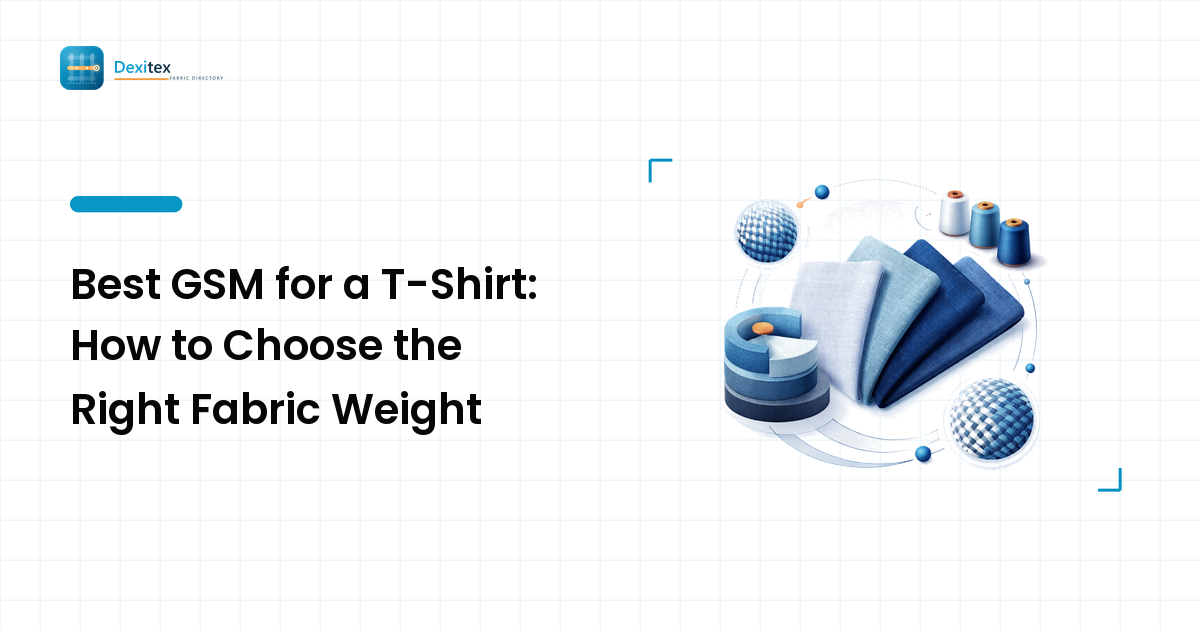
For everyday daycare clothes, cotton and cotton-rich knits are the sensible default: breathable, tolerant of a hot wash, and cheap to replace when one goes missing. Look for a single jersey or interlock in a mid weight — roughly the 160 to 220 GSM range covers most children's tops and leggings. Much lighter and the knee goes thin and translucent; much heavier and it is still damp when you need it back tomorrow morning. Verify the actual figure on the label or spec sheet rather than trusting a description, because weights vary widely between mills and lots.
A small proportion of elastane, commonly a few percent, helps leggings and cuffs recover their shape after being pulled on and off a wriggling toddler a dozen times a day. Too much and the garment runs warm and loses recovery faster once it has been through a tumble dryer repeatedly.
Polyester and poly-cotton blends dry faster and resist creasing, which is genuinely useful for the spare set that lives in the bag. The trade-offs: synthetics hold milk and food odours more stubbornly, and they pill sooner at the friction points where a car seat or a slide rubs.
Shrinkage, labelling and the second wash
Two practical rules save more money than brand choice ever will.
- Wash before you label. Cotton knits do most of their shrinking in the first one or two washes. Name labels sewn into a garment that then shrinks a size are how families end up with a drawer full of near-misses.
- Buy in one fibre family across the set. If everything in the bag washes at the same temperature, the whole kit goes through one cycle and comes back together, instead of one delicate item dictating the schedule.
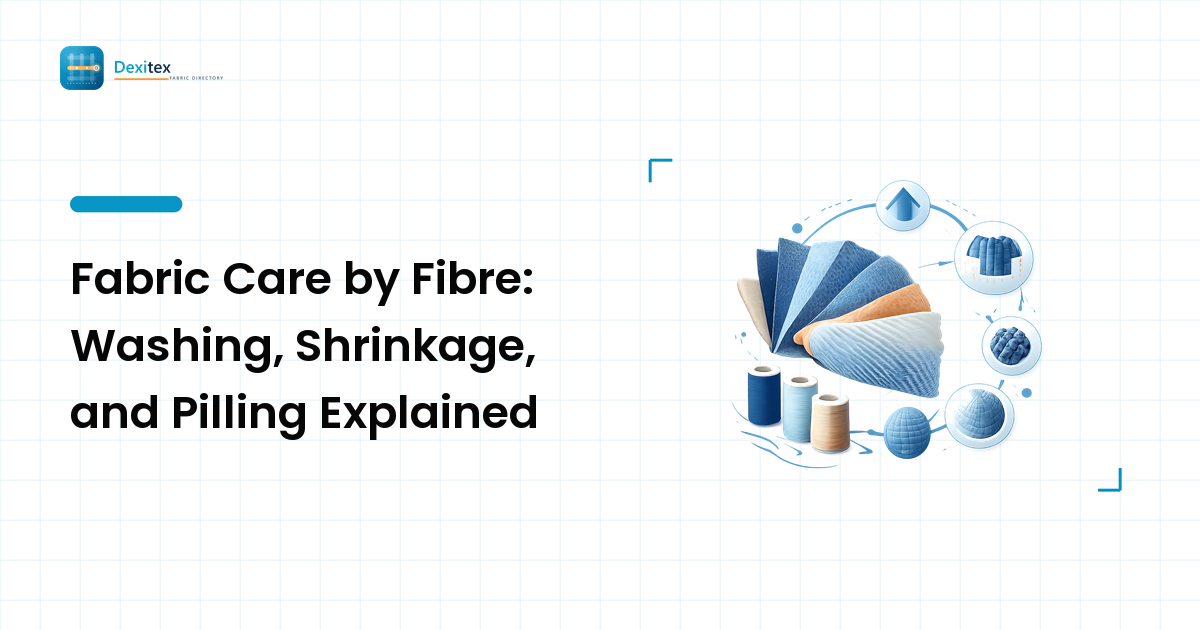
Pilling is the other thing to expect rather than resent. It is a fibre and construction behaviour, not a defect, and it appears first on softly spun cotton and on poly blends at rub points. For the full picture on washing, shrinkage and pilling fibre by fibre, our guide to fabric care by fibre sets out what each one does.
Nap bedding and comfort items
For nap bedding, prioritise washability over softness. A cotton or cotton-rich sheet and a light blanket that both survive a hot wash beat a lovely brushed synthetic throw that has to be washed cool after a sick day. For the comfort item, buy two identical ones if you can — one in the wash, one in the bag — and check the fabric survives washing without matting, because a stiff, matted toy stops doing the job it was bought for.
FAQ
Is there genuinely free daycare in Pleasanton?
There is publicly funded, income-tested childcare and preschool in California that costs eligible families little or nothing, but it is not a universal entitlement and availability varies by programme and age group. Ask your county's resource and referral agency what you qualify for and what is open right now.
Is Mullins Day Care free or subsidised?
No. It is a private, paid, licensed home daycare in Pleasanton. Contact the provider directly for fees and availability.
Are infant places harder to find than preschool places?
Generally yes. Programmes serving babies and young toddlers are the scarcest across most of California, which is why many families begin the search well before they need the care to start.
What is the cheapest way to kit a child out for daycare?
Buy fewer, better-specified items in one fibre family, wash everything once before labelling it, and size up on knits rather than buying wovens that cannot stretch. Replacement cost, not purchase price, is what actually drains the budget.
Choosing what goes in the daycare bag? Dexitex documents cotton, blends and children's knits by composition, weight, construction, properties and care, so you can compare a mid-weight jersey against a poly-cotton on the specs rather than on the packaging. Start with the fibre and fabric entries on Dexitex, then check the spec sheet or label before you buy the set.
Contact details
Mullins Day Care & Child Care 3809 Yosemite Ct N, Pleasanton, CA 94588 Phone: (925) 462-9606 https://www.pleasanton-daycare-childcare.com/ Hours: Open 24 hours a day, 7 days a week